5 reasons why real-time ray tracing helps you win tenders
In public tenders for architectural projects, every minute counts. Teams must present convincing designs, respond quickly to feedback, and deliver realistic visuals before the deadline. But why does real-time rendering really make a difference in tenders?
More and more architecture firms are discovering that real-time ray tracing offers a strategic advantage. Tools such as D5 Render make it possible to visualize designs in real time, enabling teams to create convincing presentations faster. Below, you will discover 5 concrete reasons why real-time ray tracing helps secure projects.
1. Faster iterations during the tender phase
During a tender, a design often changes several times. Stakeholders provide feedback, design choices are adjusted, and new ideas frequently emerge just before the deadline.
With real-time ray tracing, you immediately see light, materials, and shadows change when you adjust a design. This allows architects to test and improve faster without having to generate new renders each time.
In firms that work with real-time rendering, feedback loops become significantly shorter. Visualizations can even be adjusted live during meetings, allowing decisions to be made more quickly.
The result is more design variations within the same deadline, less time lost due to recalculations, and better alignment between designers and stakeholders.
2. Convincing visuals for the jury and client
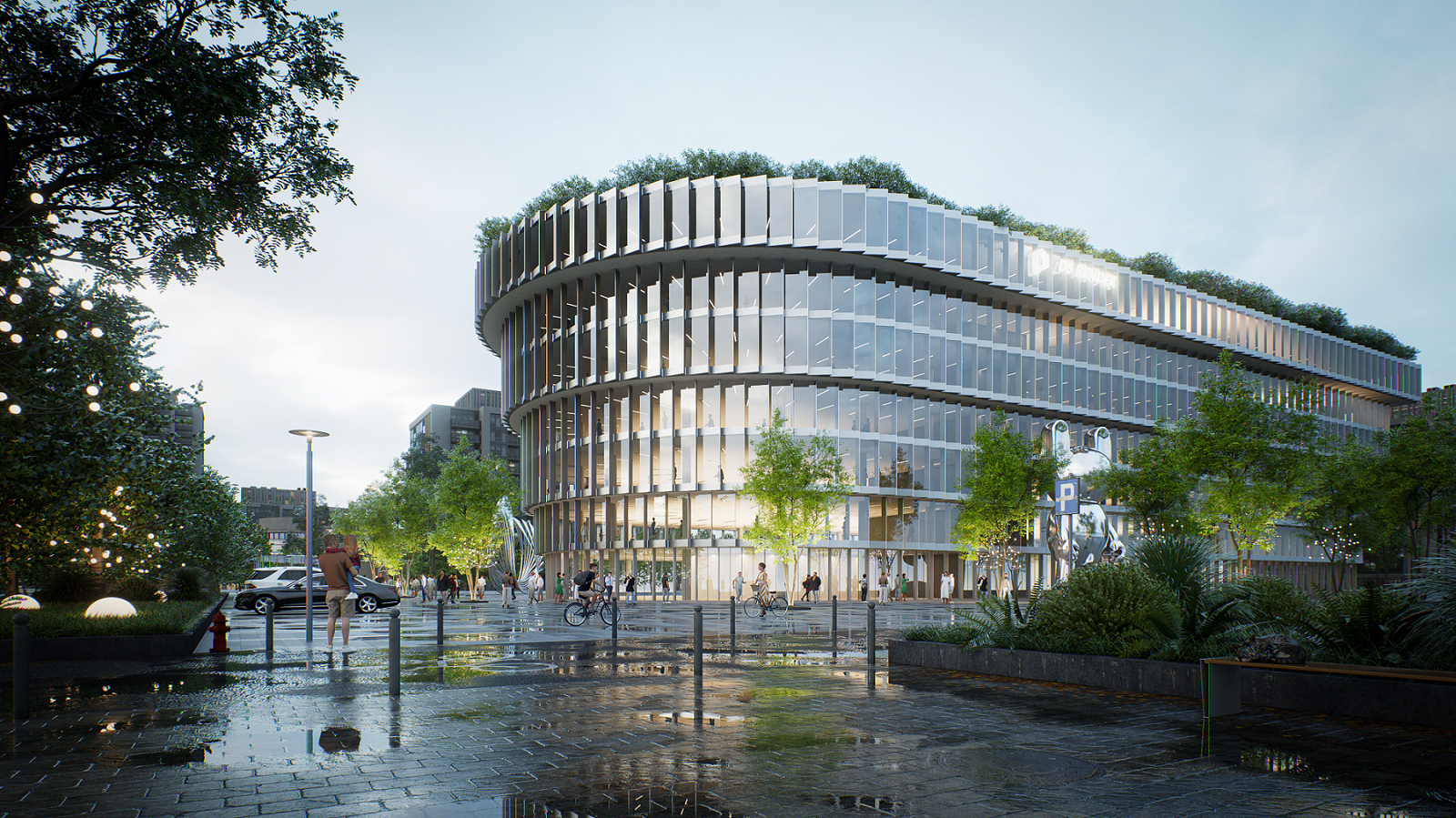
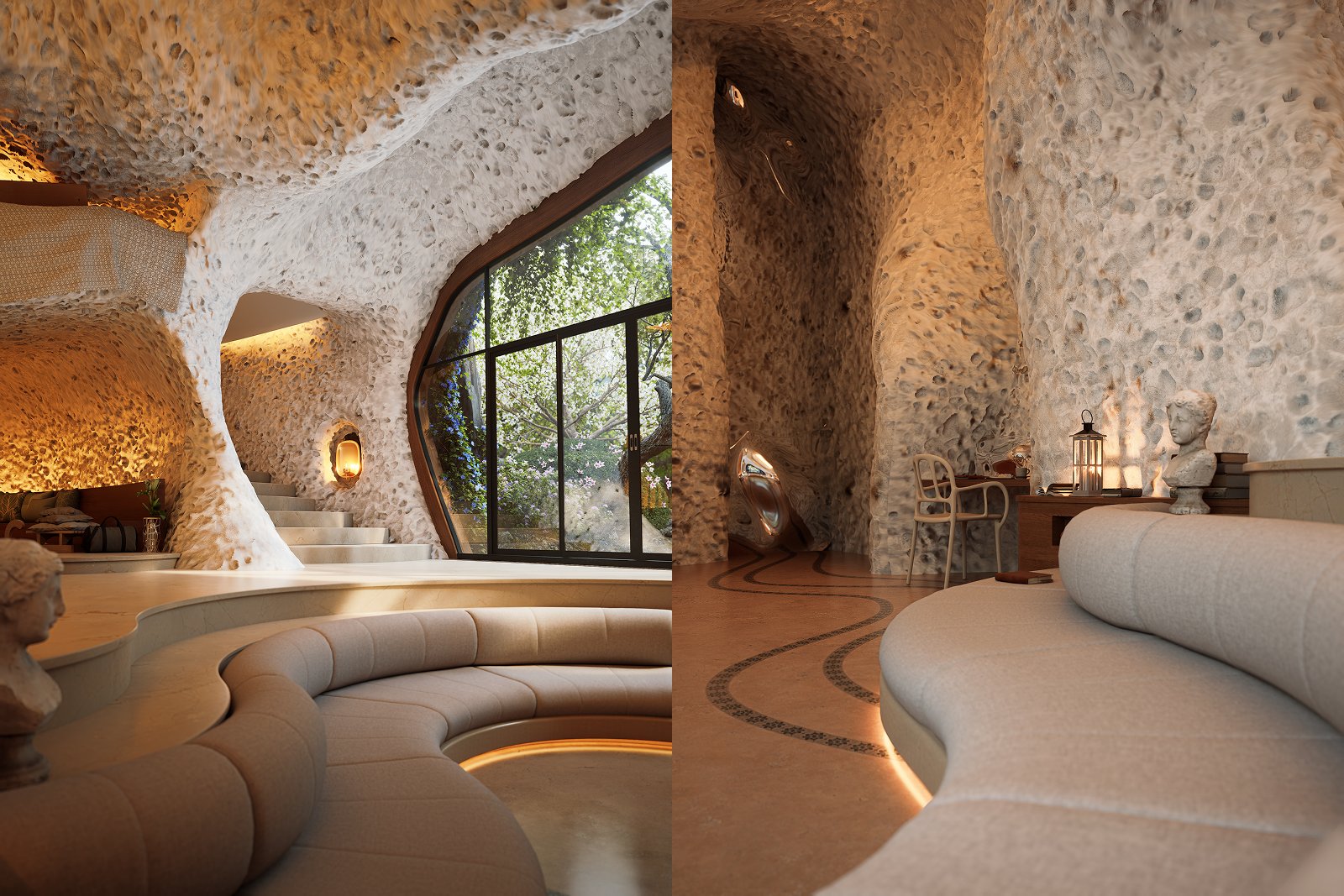
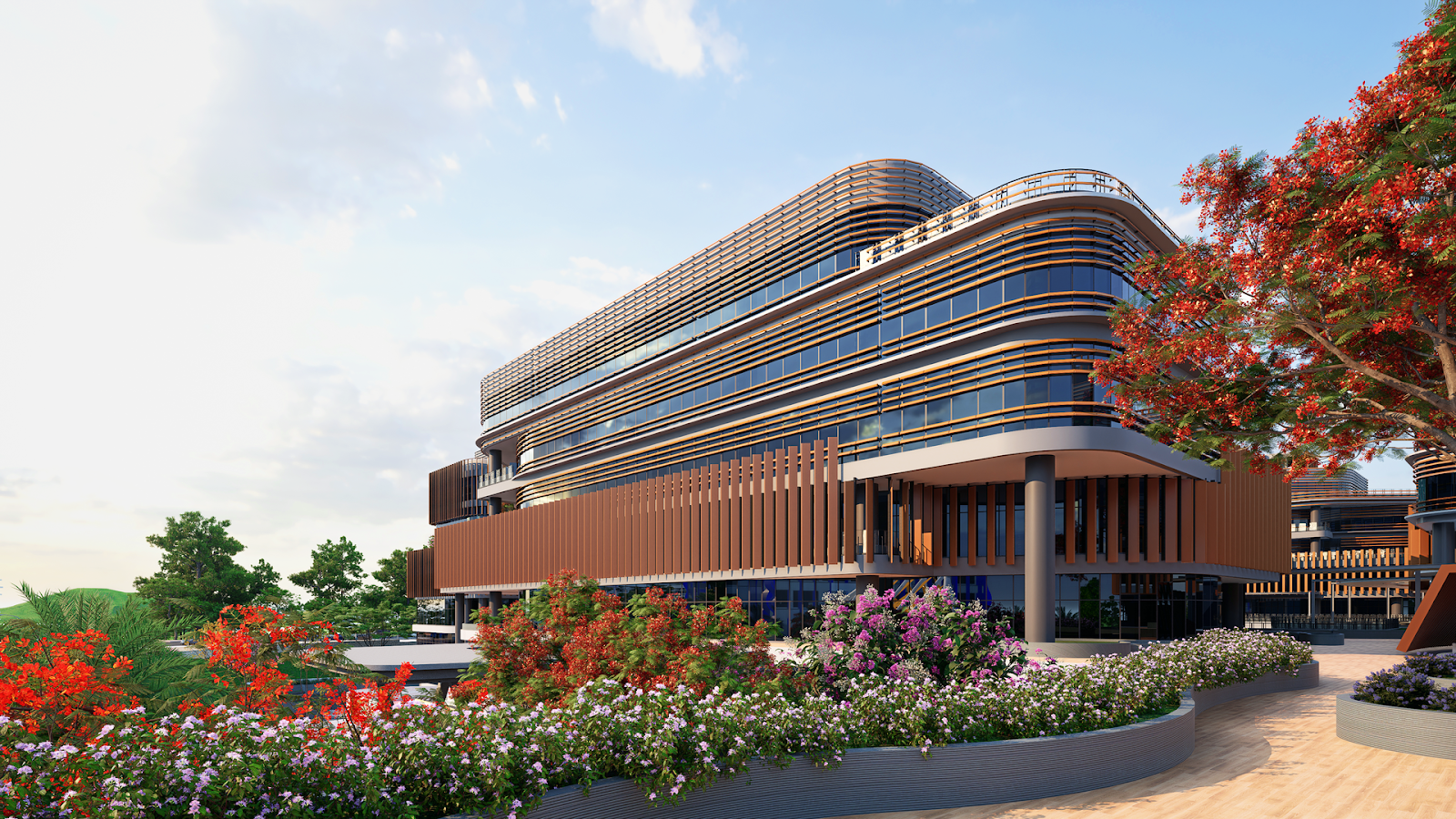
A tender is often decided based on the design story. Realistic images help juries and clients better understand a project. Thanks to real-time ray tracing, lighting simulation is physically accurate, with realistic reflections, shadows, and materials.
This makes renders more convincing and easier to understand for stakeholders without technical expertise. Instead of abstract plans, decision-makers can immediately see how daylight enters a space, how materials react to light, and how the building interacts with its surroundings.
This makes the difference between a technical dossier and a visually compelling design story.
3. One model for design and visualization
Traditional workflows often use multiple tools:
- BIM or CAD for modeling
- A rendering tool for still images
- Another tool for animations
This leads to duplicate exports, additional work, and inconsistencies.
Real-time rendering tools such as D5 Render bring design and visualization together in one workflow. Architects can generate still images, animations, and updates from the same model.
For your tender, this means fewer software switches, fewer error-prone exports, and faster visual production. In practice, this approach significantly simplifies the entire workflow.
4. Small teams can handle larger projects
In many tenders, small teams work under extreme time pressure. Real-time rendering makes it possible to produce more output without additional staff.µ
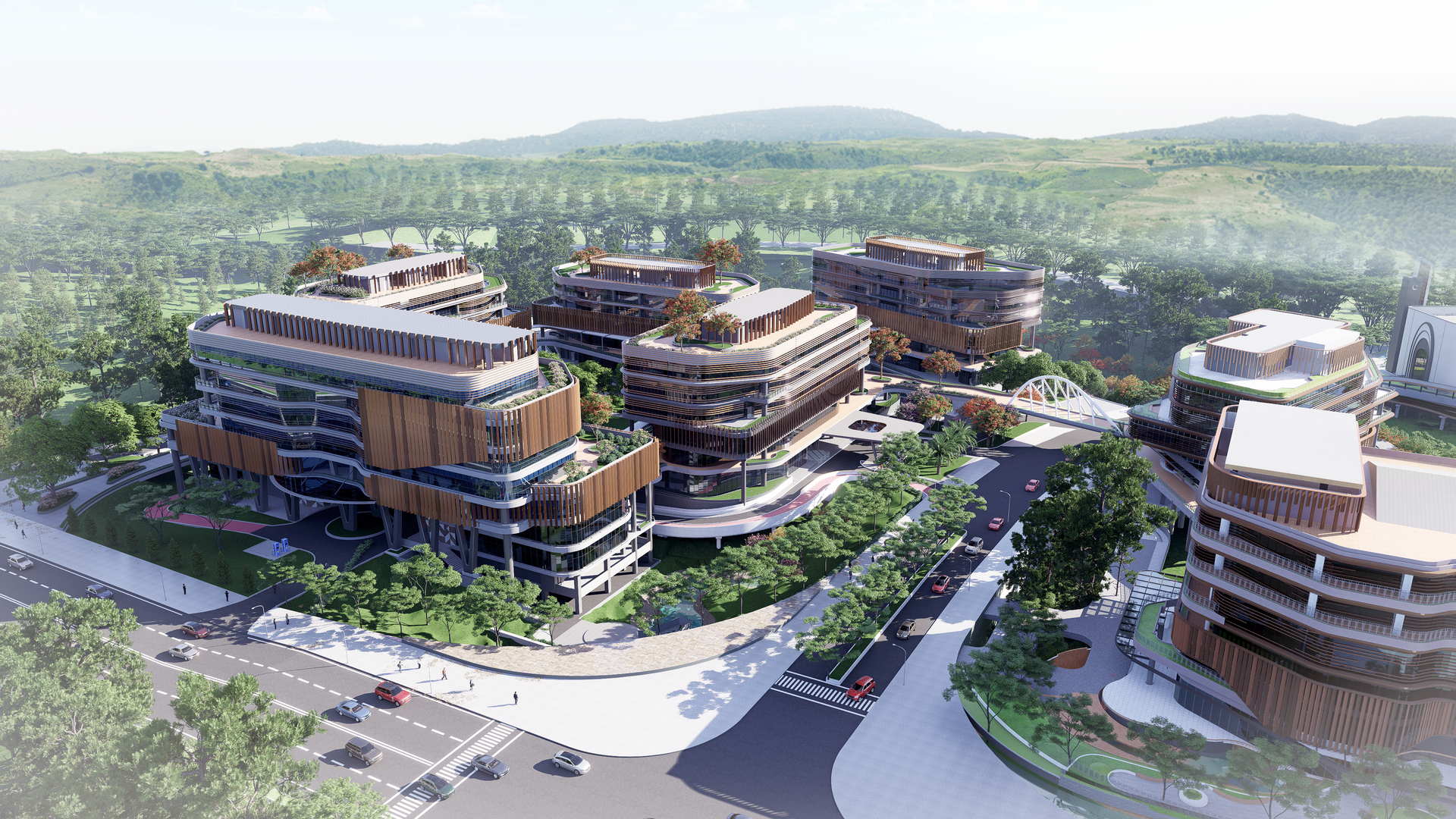
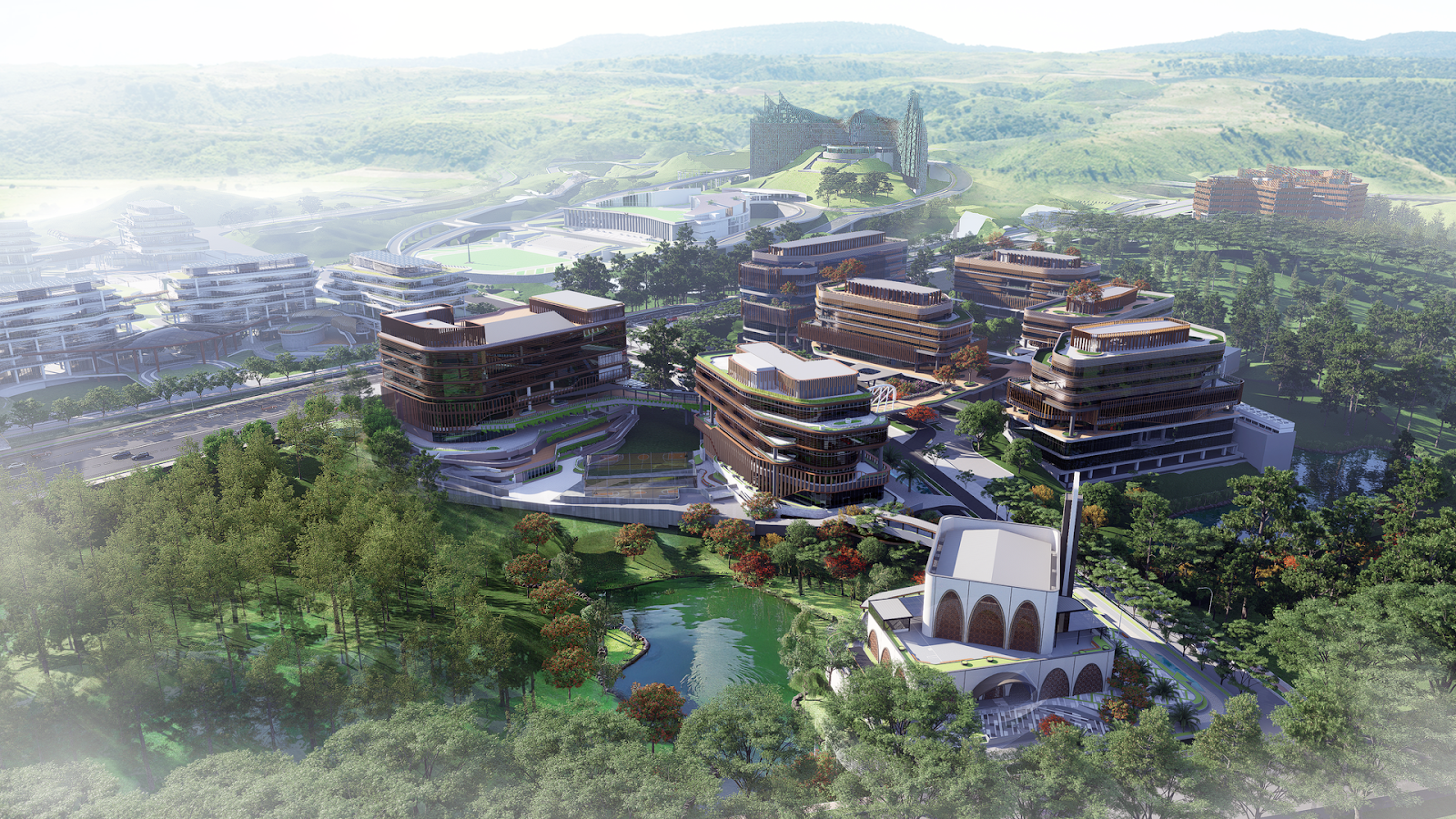
In a case study by Penta Architecture, a small team was able to produce high-quality images and animations within a few days using real-time rendering.
"With D5 Render, we no longer have to juggle multiple tools. One model, one tool, and we can do everything — animations, still images, revisions — faster and more affordably." — Arman Arisman, Technology Manager, Penta Architecture
In addition, thanks to intuitive tools, architects can create visuals themselves when the 3D team is overloaded. This results in higher productivity, lower project costs, and greater flexibility during the tender phase.
5. Direct integration with BIM workflows
Many architects today work with BIM tools such as Revit, SketchUp, or Rhino. Real-time rendering integrates perfectly with these environments.
For example, D5 Render offers live synchronization with multiple CAD and BIM platforms, making model changes immediately visible in the visualization.
This means you no longer need to export or reload models. You receive real-time feedback and your visualization evolves in parallel with your design.
What used to be purely a visual tool is now becoming a strategic instrument in architectural competitions and tenders. Firms that integrate this technology into their workflow can respond faster, create better presentations, and ultimately win more tenders.
Why architects use D5 Render
D5 Render combines real-time ray tracing with a BIM-friendly workflow and an extensive asset library. Architects can therefore work directly with models from tools such as Revit, SketchUp, or Rhino and instantly generate high-quality visuals.
Thanks to real-time rendering, AI tools, and fast export options, teams can:
- produce visualizations faster
- collaborate more easily
- streamline their workflow from concept to presentation
In a competitive industry where deadlines and quality are critical, this can make a significant difference.
Ready to try it yourself? Buy D5 Render now!
FAQ: realtime raytracing
What is real-time ray tracing in architectural visualization?
Real-time ray tracing is a rendering technology that physically simulates light, shadows, and reflections while your design is being adjusted. Unlike traditional rendering, where images must first be calculated, real-time ray tracing allows you to immediately see how materials, light, and the environment respond.
For architects, this means design changes can be visualized instantly without waiting for long rendering processes.
What is the difference between real-time rendering and traditional rendering?
The main difference lies in speed and interaction. Traditional rendering relies on calculated images that often take minutes or even hours to generate.
Real-time rendering displays the final result almost instantly in the viewport. For architectural competitions and design phases where speed is important, this makes a significant difference.
Is real-time ray tracing suitable for BIM workflows?
Yes. Modern real-time rendering tools are designed to work with BIM software such as Revit, SketchUp, Rhino, and Archicad. Many tools support live synchronization, allowing changes in the BIM model to automatically appear in the visualization.
This ensures that both design and presentation always remain up to date.
Can a small architecture team use real-time rendering?
Yes. Real-time rendering is particularly beneficial for smaller teams because it significantly increases productivity.
With tools like D5 Render, architects can produce visuals themselves without needing a specialized rendering team. This makes it possible to create more design variations and visualizations using the same resources.
Is real-time rendering also suitable for concept design?
Absolutely. Real-time rendering is increasingly used during the concept and sketch phases of a project.
Because visualizations appear immediately, architects can experiment faster with volumetric studies, materials, natural lighting, and environmental context.
Visualization therefore becomes an active design tool rather than a final step in the process.